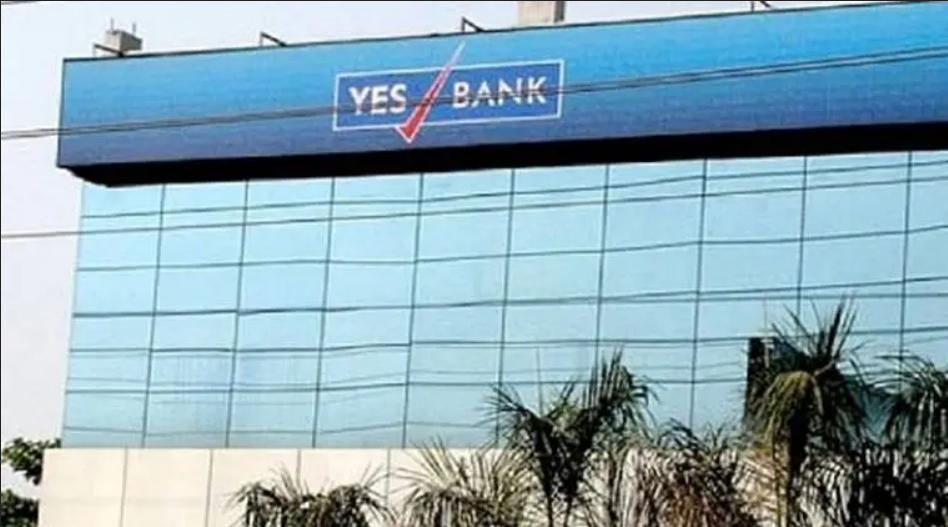
Investors swiftly divested from Yes Bank Ltd on Tuesday following its first quarterly loss, spurred by a surge in bad loans, and a rare double-downgrade by Macquarie Research on the company’s stock. The private-sector lender witnessed a substantial drop of up to 30 percent in its shares, marking the most significant intraday percentage loss in over 7 months. This decline impacted the broader NSE Index, serving as the initial market reaction to the late Friday disclosure of the bank’s results. Notably, markets remained closed on Monday.
Yes Bank, a participant in the group of lenders to debt-ridden Jet Airways, faced challenges as the airline suspended all flights earlier this month due to a fund shortage. In the quarter ending March 31, the bank’s provision for loan losses surged to 36.62 billion rupees ($524.60 million) from around 4 billion rupees in the same period a year ago, according to its financial results.

Macquarie analyst Suresh Ganapathy admitted underestimating risks in structured finance, leading to a rare double-downgrade of the stock from “Outperform” to “Underperform.” The target price was slashed from 270 rupees to 165 rupees. As of 0715 GMT, Yes Bank shares were trading down 28 percent at 169.7 rupees.
The Indian financial sector has grappled with an accumulation of bad loans, impacting banks as they allocate more funds to cover deteriorating assets. Yes Bank reported a drop of 30 basis points in net interest margins for the quarter, the first under the leadership of new CEO Ravneet Gill. This decline was attributed to higher bad loans, or slippages, with gross slippages totaling 34.81 billion rupees.

Analysts at brokerage Investec noted that the exposure to Jet Airways was a significant factor contributing to the increased bad loans, along with exposure to the struggling infrastructure conglomerate IL&FS.
Ravneet Gill, appointed as the CEO in January, succeeded founder Rana Kapoor following demands from the central bank. The bank faced regulatory challenges and governance issues, with the central bank’s pressure indicative of a more assertive approach towards addressing bad debts in Indian lenders. While media reports suggested Gill’s plans to replace the bank’s management, he denied such intentions in an interview on CNBC-TV18, emphasizing the quality and stability of the current senior management.

